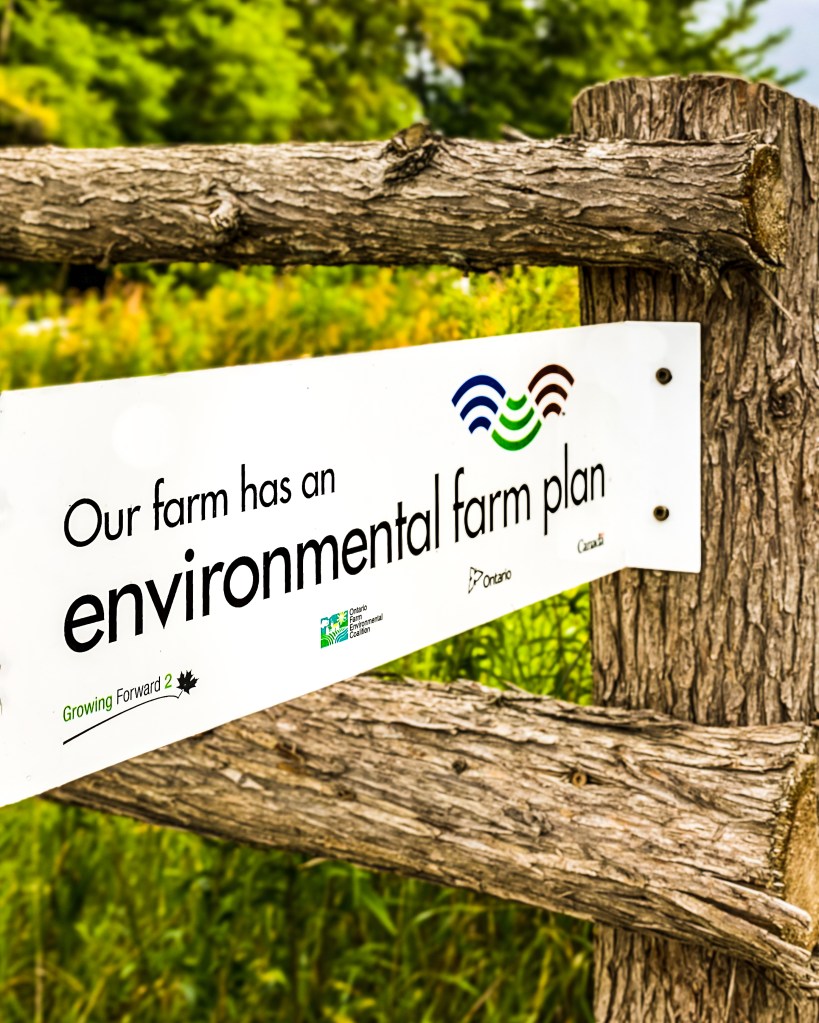
What is Regenerative Farming?
Farming practices that rebuild topsoil, increase biodiversity, improve water cycle, enhance ecosystems, support biosequestration of carbon contribute to reducing climate change and increase the vitality of the soil which increases resiliency in the face of climate change.
Here are some of the ways we farm regeneratively here at Winterhill Farm & Garden:
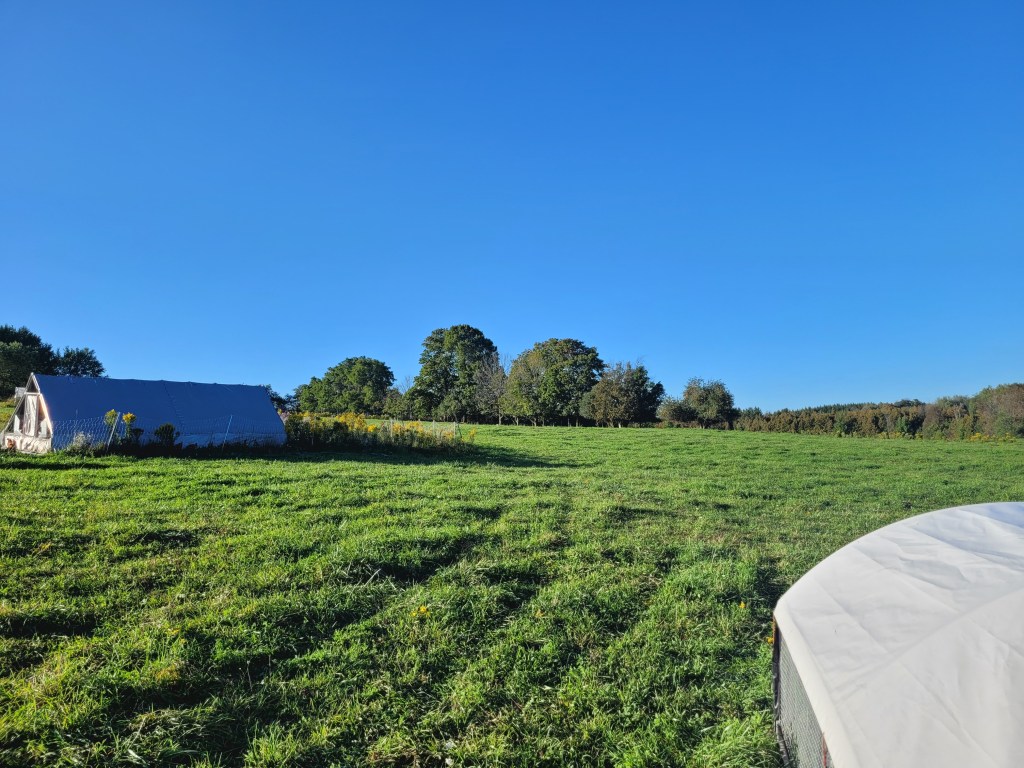
- 98% of our farm is perennial pasture
- No pesticides, instead feed the soil with natural amendments and the plants are healthy enough to fend off most pests
- No erosion = clean water cycling
- No chemicals sprayed = soil biology and earthworm populations are increasing!
- Cows move daily to new pasture, Rotational grazing builds topsoil, and Grass that is trampled and manured on gets composted in place
- Topsoil and larger root systems sequester carbon and help lower greenhouse gas emissions.
- More topsoil captures more water on the farm = more resiliency from weather uncertainty
- Chicken manure is high in nitrogen, adds even more fertility to pastures removing the need for chemical fertilizer
- Round bales fed in winter on pasture provide feed, bedding, and compost which grows more grass in the following years
- We are home to 2 species at risk: the snapping turtle and the Bobolink which we know are back on the farm because we can hear their distinct sound!
- Tree swallow birdhouses located in the fields help keep the flies down naturally and they are fun to watch
- Buying local means food not trucked from around the world, less trucks needed, less fuel consumed = better for the environment
We have a simple philosophy – Pay close attention to Mother Nature and copy her methods. She already has it all figured out!
 Winterhill Farm and Garden